
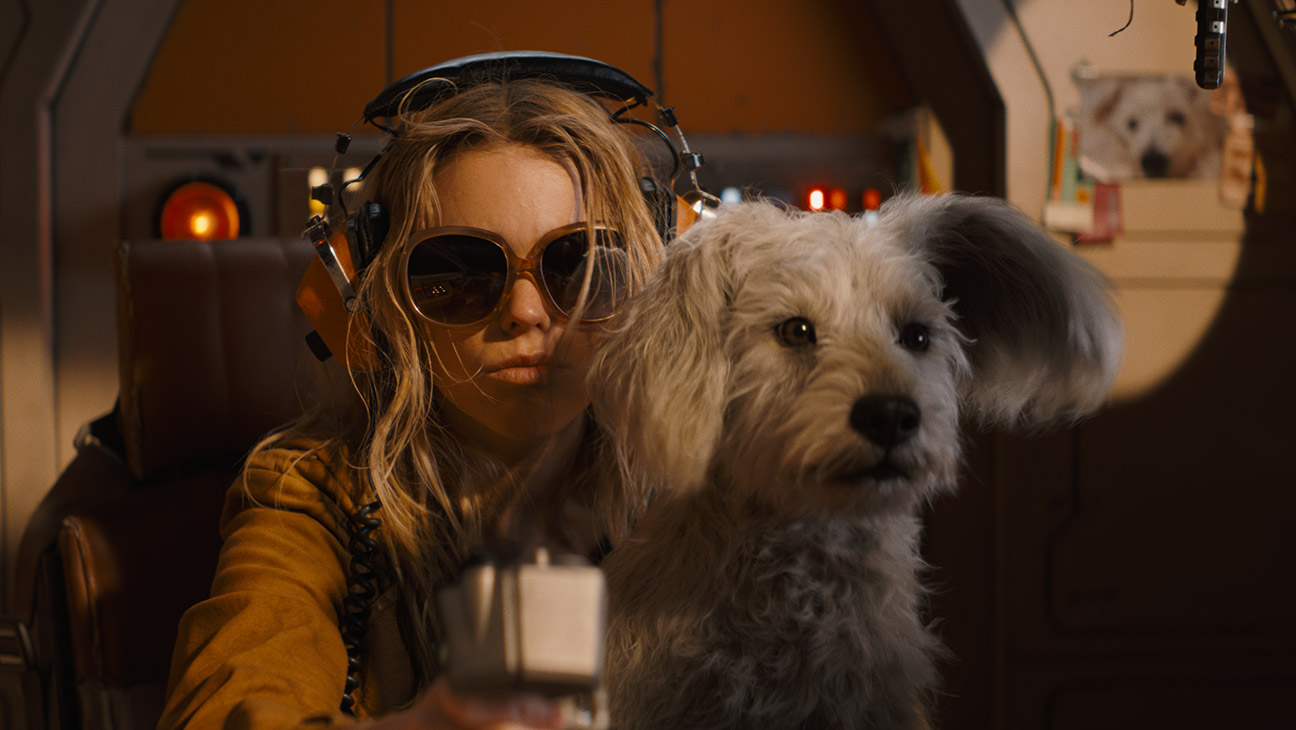
Creative Differences and Competing Cuts Plagued DC's Supergirl Production
New reports shed light on the challenging production of DC's *Supergirl* film, detailing significant creative differences between director Craig Gillespie and DC Studios, led by James Gunn and Peter Safran.
The film, starring Milly Alcock in the title role, reportedly faced issues from early on, culminating in a "bakeoff" where competing cuts of the movie were tested.
Sources indicate that creative disagreements between Gunn and Gillespie were a major factor, with one insider stating, "They were not creatively aligned." This friction reportedly impacted the film's post-production, leading to test scores that never rose above the 60s, with a top score of 70 on a scale of 100 points.
While some insiders describe this as normal creative tension, others suggest it was more significant.
Filming for *Supergirl* concluded in May 2025, and by the fall of that year, both the studio and Gillespie reportedly recognized that the film was not working as intended.
Following a December test screening that yielded only mediocre results, DC Studios decided to take a more active role in post-production, creating its own cut of the movie.
Writer Jeremy Slater, known for his work with Gunn, was brought in to assist, reportedly contributing to scenes for a nine-day period of additional photography.
Original screenwriter Ana Nogueira also remained involved in the post-production process.
Music was another point of contention during the film's development.
Both Gunn and Gillespie have reputations for their use of music in films, with Gunn known for his soundtracks in the *Guardians of the Galaxy* series and Gillespie for films like *Cruella*.
The film underwent at least four test screenings, with a notable change in the climactic needle drop from a cover of Cyndi Lauper’s “Girls Just Want to Have Fun,” a choice attributed to Gunn, to the final selection of a Jimmy Eat World cover.
The production also involved two editors: Tatiana S.
Riegel, Gillespie’s frequent collaborator, and Fred Raskin, Gunn’s long-time editor.
Raskin was brought in later, signaling the studio's increasing involvement.
Despite some improvements in test scores, reaching the low 70s, the studio ultimately opted for a "bakeoff" between Gillespie's cut and their own.
While Gillespie's version was reportedly 11 minutes longer and featured more of the villain, Krem, the studio's cut narrowly outperformed it by two points in testing, leading to its selection for theatrical release.
This development is significant as *Supergirl* was intended to be a key test for DC Studios, being its first feature not written and directed by Gunn following *Superman*.
The film's performance puts a scrutinizing spotlight on Gunn, who has positioned himself as the public face of the company.
Key points
- DC Studios held a "bakeoff" in March, testing competing cuts of the Supergirl film from director Craig Gillespie and the studio.
- Creative differences between James Gunn and Craig Gillespie over the film's direction reportedly emerged early in the production process.
- The studio enlisted writer Jeremy Slater to assist with post-production, including writing scenes for additional photography.