
The New York Times Embraces Video Transformation Amid Shifting Media Landscape
The New York Times is making a significant push into **video content**, with executive editor Joe Kahn characterizing the move as a “race against time” and a transformation on par with the shift from print to digital.
This strategic pivot marks a notable moment for the media industry, as it reflects a broader understanding of evolving consumer habits and the changing landscape of media consumption.
Kahn’s comments, made on Peter Kafka’s Channels podcast, highlight the Times' recognition that video has long been the dominant media form, though previously confined primarily to TV screens.
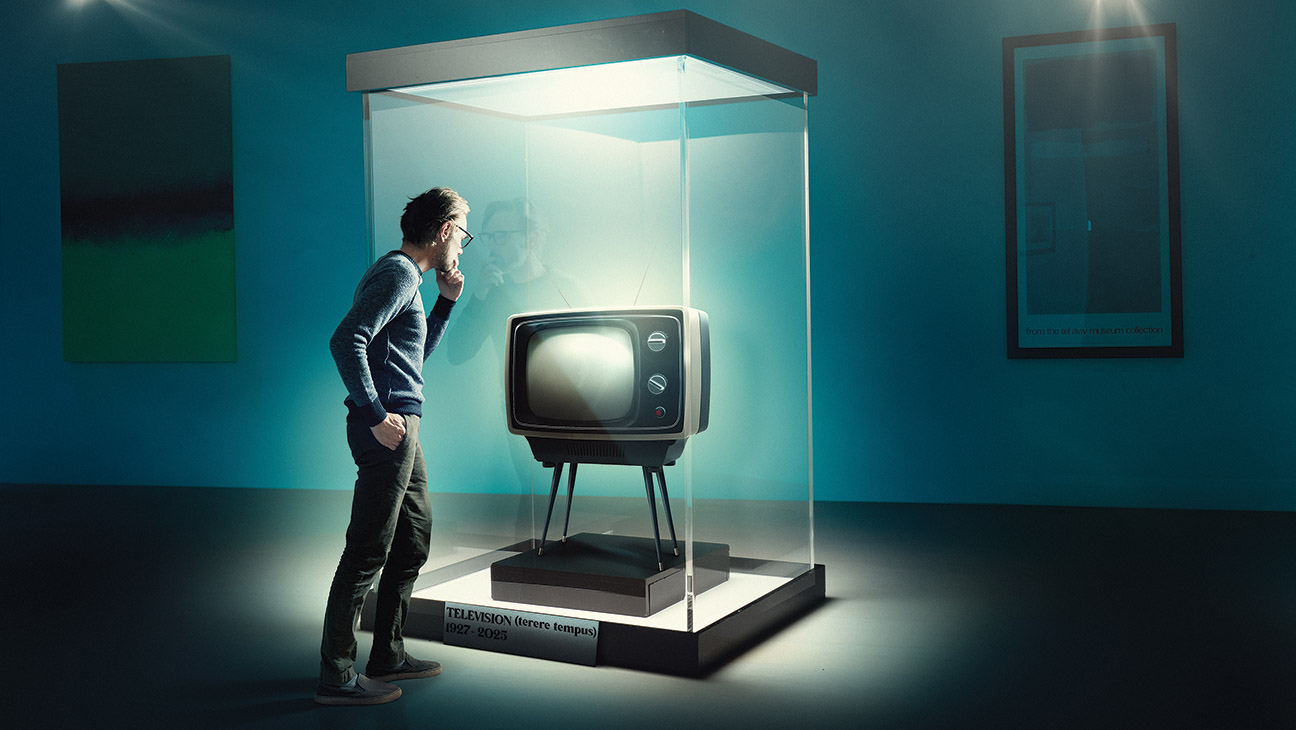
However, the current environment allows all video to function like TV, opening new avenues for content distribution and audience engagement.
This perspective contrasts with the earlier “pivot to video” in the 2010s, which many publishers found disastrous due to their reliance on platform algorithms and a scramble for content.
### The Evolution of Video Consumption
The previous push into video, around 2015, saw many digital and legacy publishers reallocate resources from text to video content, largely influenced by Facebook's decision to prioritize video in its newsfeed.
This led to a variety of experimental and often unstrategic video efforts.
Ultimately, the anticipated audience growth did not materialize, and subsequent algorithm changes left many publishers in a difficult position.
However, the current media environment differs significantly from a decade ago.
While Nielsen reports from 2016 indicated video as the preferred media form, its consumption was predominantly on traditional TV sets.
A pivotal change occurred in late 2017 with YouTube's launch of its dedicated TV app, which eventually transformed it into a major source of video on television screens.
This development, alongside Instagram's current focus on TV, signals a fundamental shift in how and where video is consumed.
For publishers, this evolution presents a golden opportunity.
The traditional hold that TV once had on video is now contested, allowing creators, digital startups, and established outlets to attract viewers who might otherwise be watching traditional television.
Examples include viewers choosing to stream Megyn Kelly online instead of Fox News, or Bon Appetit’s YouTube channel over Food Network.
While traditional TV news organizations and entertainment studios still possess strong video production capabilities, particularly for live news, the platform lock on video is diminishing.
This is evidenced by TV channels partnering with YouTube shows and streaming services acquiring short-form programming from various publishers.
The broader public is also showing a clear preference for video consumption over audio and text, a trend underscored by recent discussions about the potential “end of reading” in an AI-powered world.
The New York Times' embrace of vertical video and longer-form content within its app is a direct response to these trends.
The outlet aims to leverage video to deliver high-quality original reporting to a larger audience, understanding that consumer attention is shifting, and the dominance of traditional TV is waning.
Key points
- The New York Times executive editor Joe Kahn described the outlet’s push into video as a “race against time” and a transformation as significant as the print-to-digital shift.
- This strategic move comes as video has become the dominant form of media, with all video now capable of being consumed like traditional TV.
- The shift is driven by changing consumer attention and the weakening grip of traditional TV on video consumption, creating new opportunities for publishers.