
House of the Dragon Season 3 Embraces Nihilism for Best Season Yet
The third season of HBO's *House of the Dragon* is being hailed as the series' strongest yet, reportedly resolving earlier pacing problems and embracing a bleaker, more nihilistic narrative.
This shift in storytelling is significant for the *Game of Thrones* prequel, as it moves past its initial setup and delves into the devastating consequences of the Targaryen civil war.
The new season, which premieres on June 21, picks up directly from the season two finale, "The Queen Who Ever Was." It finds Queen Rhaenyra considering a secret proposition from Alicent, who offers to surrender King's Landing if Rhaenyra can rule justly and protect her daughter, Helaena.
This internal conflict for Rhaenyra, who has already lost a son and sent her youngest children away for safety, sets a somber tone for the season.
Previously, *House of the Dragon* faced challenges in adapting George R.R.
Martin's *Fire & Blood* into a multi-season saga, leading to pacing issues and numerous time jumps.
The first two seasons focused heavily on establishing the complex relationship between Rhaenyra and Alicent, who transitioned from best friends to opposing matriarchs vying for the Iron Throne.
While season two featured dragon action, it was often criticized for narrative wheel-spinning and repetitive thematic parallels between Team Black and Team Green.
However, the third season reportedly sheds the need to constantly connect back to *Game of Thrones* and abandons the attempt to make characters easily rootable.
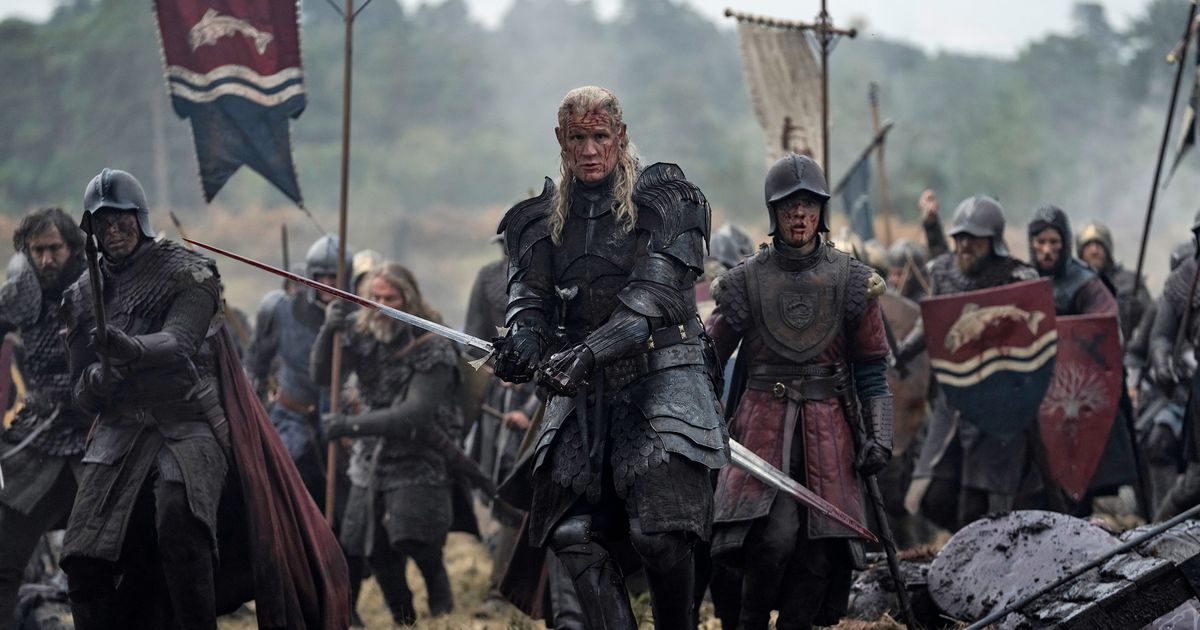
Instead, it portrays the war as one that makes monsters and fools of its participants, with everyone's resolve crumbling against the uncontrollable power of dragons.
Co-creator and showrunner Ryan Condal is credited with enhancing the narrative by filling in the internal struggles of characters and sowing discontent within the warring factions, highlighting the devastating impact of the conflict.
Characters like Aegon, who gets a firsthand look at the petty tyrants his rule has created, and Aemond, who pushes his luck with Alicent, are shown grappling with the consequences of their actions.
Daemon, portrayed by Matt Smith, continues to be a chaotic force, serving as both Rhaenyra's best warrior and worst diplomatic envoy.
The season also reportedly features dialogue-heavy scenes where characters discuss their ideologies and worldviews, leading to genuine changes and expansions of their interiorities, particularly for Rhaenyra and Alicent.
The third episode, in particular, is highlighted as a standout, offering a process-centric portrait of what it means to lead and sit on the Iron Throne.
Both Emma D'Arcy and Olivia Cooke, playing Rhaenyra and Alicent respectively, are noted for their performances, showcasing moments of despair and paranoia.
The series' progression is described as rapid, with full arcs reportedly wrapped up within the first four episodes, indicating a clear trajectory towards its conclusion.
As Criston Cole observes, "Doom and ruin surround us.
We’ll all become beasts before our end," a nihilistic sentiment that reportedly invigorates this season of *House of the Dragon*.
Key points
- The third season of House of the Dragon is described as the series' best, addressing previous pacing issues and embracing a nihilistic tone.
- The premiere of the new season airs on June 21 on HBO and picks up immediately after the season two finale.
- Co-creator and showrunner Ryan Condal reportedly fills in character blanks and sows discontent within the warring factions, enhancing the narrative.